
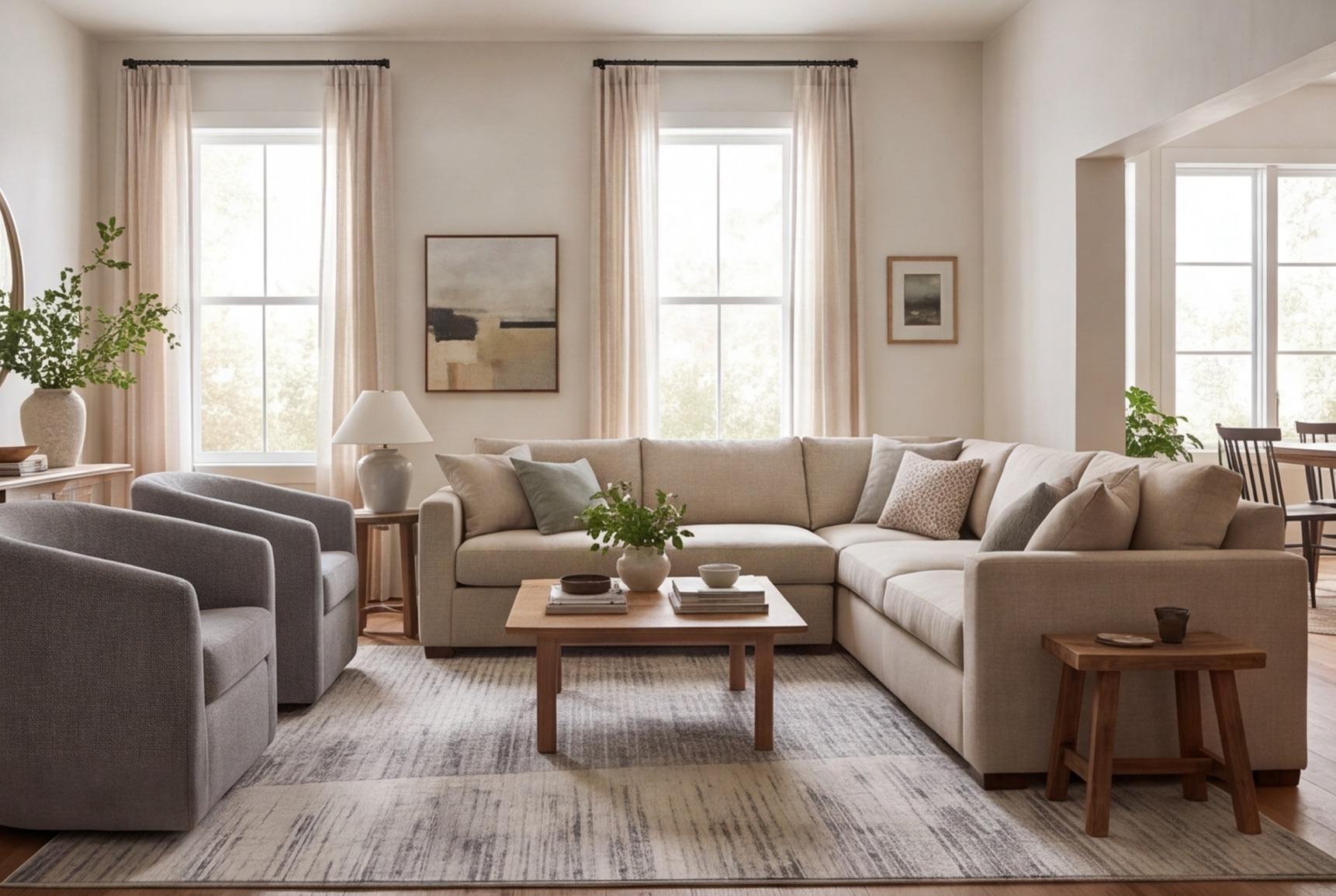
This guide shows how to find your interior design style from clues you already have, then works through lifestyle, traits, blending, and buying order.
Start with the clues you already have, not the images you save
The fastest way to read your own taste is to look at what you already own, keep, and avoid. Saved images show what caught your eye for a moment. Daily habits show what you actually live with.
Why the trend cycle matters here
Saved inspiration is shaped by what the feed is showing this season. Rently reports that 30% of renters look to TikTok for home inspiration and 31% build their dream spaces through Pinterest boards. Those boards are useful, but they are also a snapshot of a moment.
A preference that has been with you through several seasons of trends is a good bet for a sofa. A preference that appeared last month is better tested with a pillow. Livingetc notes that designers and clients are already pushing back against social-media-driven sameness, choosing things that are stranger and more personal.
You are not alone if this feels hard. Furniture News found that only 20% of British adults have a clear sense of interior style, and 50% of 18-24-year-olds want more confidence shopping for furniture and decor to avoid costly mistakes.
Questions that surface your patterns
Clothing is a low-stakes record of your taste. Walk through your home and closet with these questions:
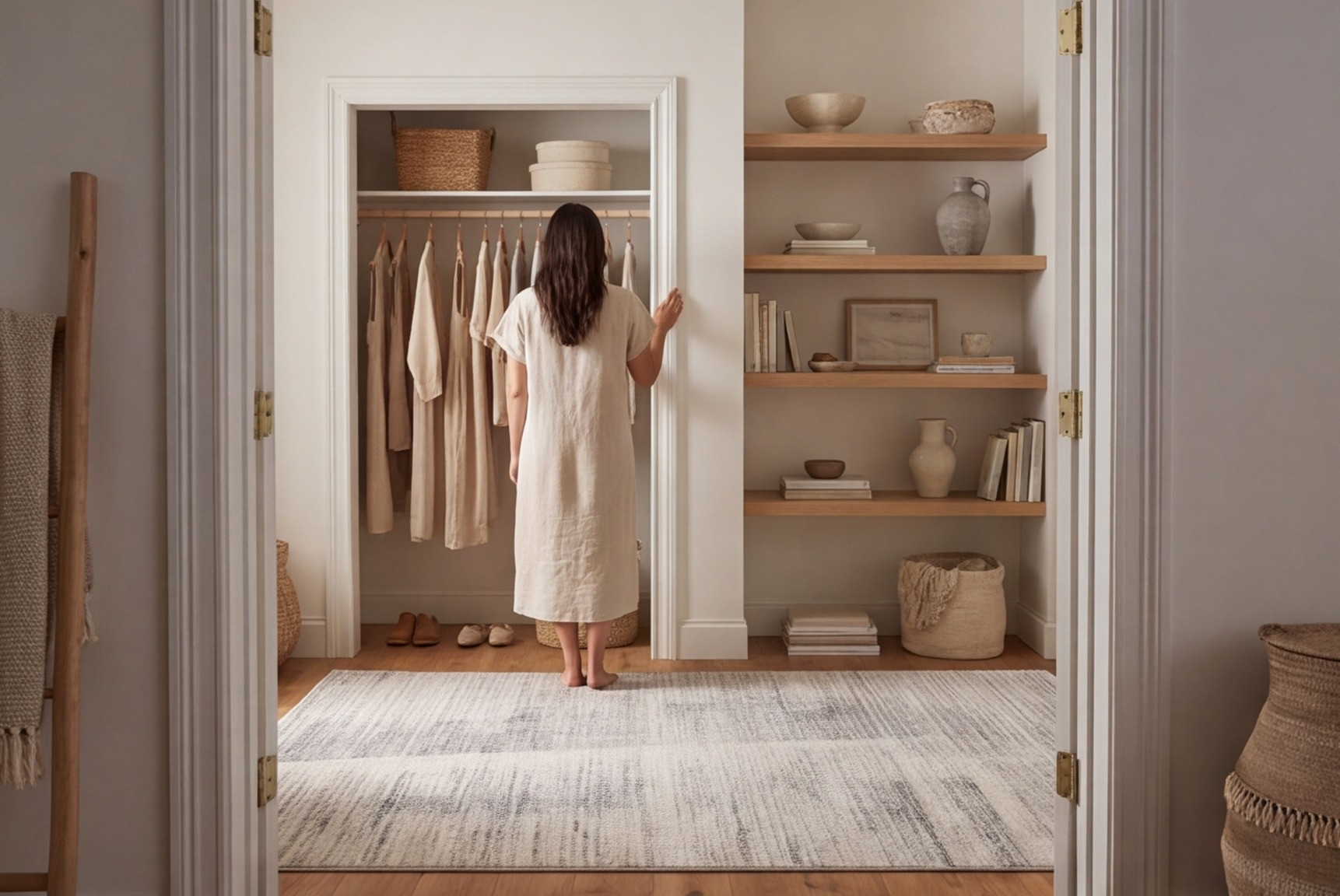
- Which colors do you reach for repeatedly, and which do you keep rejecting?
- Do you prefer clean, straight lines or soft, rounded shapes?
- Do you like surfaces that are smooth and polished, or textured and worn-in?
- Which object would you save first, and what do its color and material tell you about what you like?
- Which saved image do you still like after a month, and which one has lost its pull?
Compare what you own with what you save
Put a short list of what you own and keep next to your saved images. Where they match, you have a real preference. Where saved images point somewhere your belongings never go, you have either a new direction or a passing pull. Give that second group a month before you spend on it.
Match the style to how you actually live
A style has to survive your daily routine. Kids, pets, a home office, your climate, and the architecture of the house cut a long list of styles down to a shortlist before taste even enters the picture.
Lifestyle filters that narrow the list
Rently reports that 69% of renters are designing with their pets in mind, and the same logic applies to owners. Households with pets and children do better with durable, washable fabrics, low-maintenance finishes, and rugs you do not mind replacing. A pale, delicate look can still work, but it asks more of you in upkeep, and that tradeoff deserves an honest look before you buy.
Before taste enters the picture, your household, climate, and routines quietly eliminate most styles, leaving only the ones that can survive daily life.
Work-from-home needs matter just as much. If one room doubles as an office, a style with built-in storage and calm surfaces will cope better than one that depends on lots of small display pieces. Climate plays in as well. Heavy layered textiles feel generous in a cold house and stifling in a hot one, while light, breathable materials suit warm regions.
When the style and the house disagree
Architecture is the filter people overlook. A modern farmhouse look in a high-rise apartment has no beams, porch, or barn doors to echo, so it works best as a mood: warm woods, simple shapes, and soft whites. Mid-century modern in a traditional colonial works the other way around. Keep the furniture's clean lines and let the home's trim and proportions stay as they are.
The rule we use is to let the building set the limits and the style set the details. Work with the ceiling height, window size, and floor color you have, and choose a style that sits comfortably with them rather than fighting them.
After these filters, you should have three or four styles left. That is a workable shortlist, and the next section helps you read them by their traits.
Read the common styles by their traits, not their labels
A style label is shorthand for a set of traits in color, material, and shape. If you know the traits, you can tell why a quiz result fits you or does not, and you can borrow from a style without adopting all of it.
Taste in labels is also uneven. Home News Now found that 46% of U.S. consumers favor minimalist styles, followed by modern farmhouse (22%), coastal (19%), and midcentury modern (18%). Popularity is a poor guide to fit, so compare traits instead.
A quick-reference table
|
Style |
Typical colors |
Typical materials |
Typical shapes |
|---|---|---|---|
|
Scandinavian |
White, soft gray, pale wood tones |
Light wood, wool, linen |
Simple, functional, uncluttered |
|
Mid-century modern |
Warm wood with mustard, olive, or teal accents |
Walnut, teak, molded materials |
Tapered legs, gentle curves |
|
Modern farmhouse |
White, cream, black accents |
Painted wood, metal, woven textures |
Sturdy, rustic, practical |
|
Bohemian |
Rich, varied, layered color |
Rattan, cotton, handmade textiles |
Relaxed, collected, pattern-heavy |
|
Industrial |
Gray, black, brick tones |
Metal, concrete, reclaimed wood |
Utilitarian, exposed, angular |
|
Transitional |
Neutral, balanced, muted |
Mixed woods, upholstery, subtle metals |
Traditional forms with cleaner lines |
|
Japandi |
Muted earth tones, soft neutrals |
Natural wood, ceramics, paper, linen |
Low, simple, restrained |
|
Coastal |
Sandy neutrals, soft blues, white |
Rattan, cotton, weathered wood |
Relaxed, airy, casual |
Why a quiz result may not feel right
A quiz answer can feel off when you share a trait with a style but not its others. You might love the pale wood of Scandinavian rooms and still dislike how empty they look. In that case you probably want warmth with less minimalism, which may point to Japandi or transitional instead.
Look at the traits on your list from the first section and match them to the table. Two or three shared traits are a good sign. If your matches spread across several rows of the table, you are probably a blender, and the next section is for you.
Blend two styles or two tastes without ending up with a mess
You can mix styles if one leads and the other supports. A clear ratio, a shared palette, and a few repeated materials give a mixed room the feeling of one decision rather than several.
The dominant-plus-supporting ratio
Choose one style as the lead and one as the supporting voice, then split the room roughly 70/30. Furniture and large pieces carry the dominant style, while lighting, textiles, and accessories bring in the second.
One palette and two repeating materials
Pick a palette of three or four colors and use it in both styles. Then repeat two materials across the room, such as oak and black metal. Repetition is what makes mixed pieces look related.
When two people have different tastes
A minimalist and a boho partner are not at an impasse. Roommates already work this out in practice: according to Rently, 23% of renters with roommates combine budgets and agree on purchases that suit everyone's tastes, and 20% keep shared spaces neutral while adding personality to private ones. Only 8% said they had not found that balance and tend to argue over decor.
The shared-neutral approach works well for couples. Let the living room carry the dominant style and the neutral palette, then give each person one corner or room to push further.
Separating lasting taste from social-media pull
Before adding a bold new element, ask whether it has outlasted a trend cycle in your saved images. A trend like color drenching, coating a whole room in one bold hue, might suit you for years or for a season. Try it first on something cheap, like a pillow or a throw, and see how you feel in a few months.
Turn your style into a buying order that fits your budget
Furnish the room you use most first, buy anchor pieces before accents, and keep trial purchases small. Sequencing is what stops a style from becoming a list of disconnected purchases.
Which rooms come first
Start with the rooms where you spend the most waking hours, usually the living room and the bedroom. A bed and a comfortable seat matter more than a styled dining room you use twice a month. The aim is to avoid spending heavily on spaces that carry the least daily weight.
Spend first where you live most, and let a few well-chosen anchor pieces set the direction before accents fill in the details.
Anchor pieces, then accents
Anchor pieces are the large items that define a room, like the sofa, bed, or dining table. Buy these once you are sure of your style, and prioritize quality, since Alixpartners found that 63% of buyers motivated by a new home purchase said quality was just as important as price. Accents come after, and this is where trends can safely play.
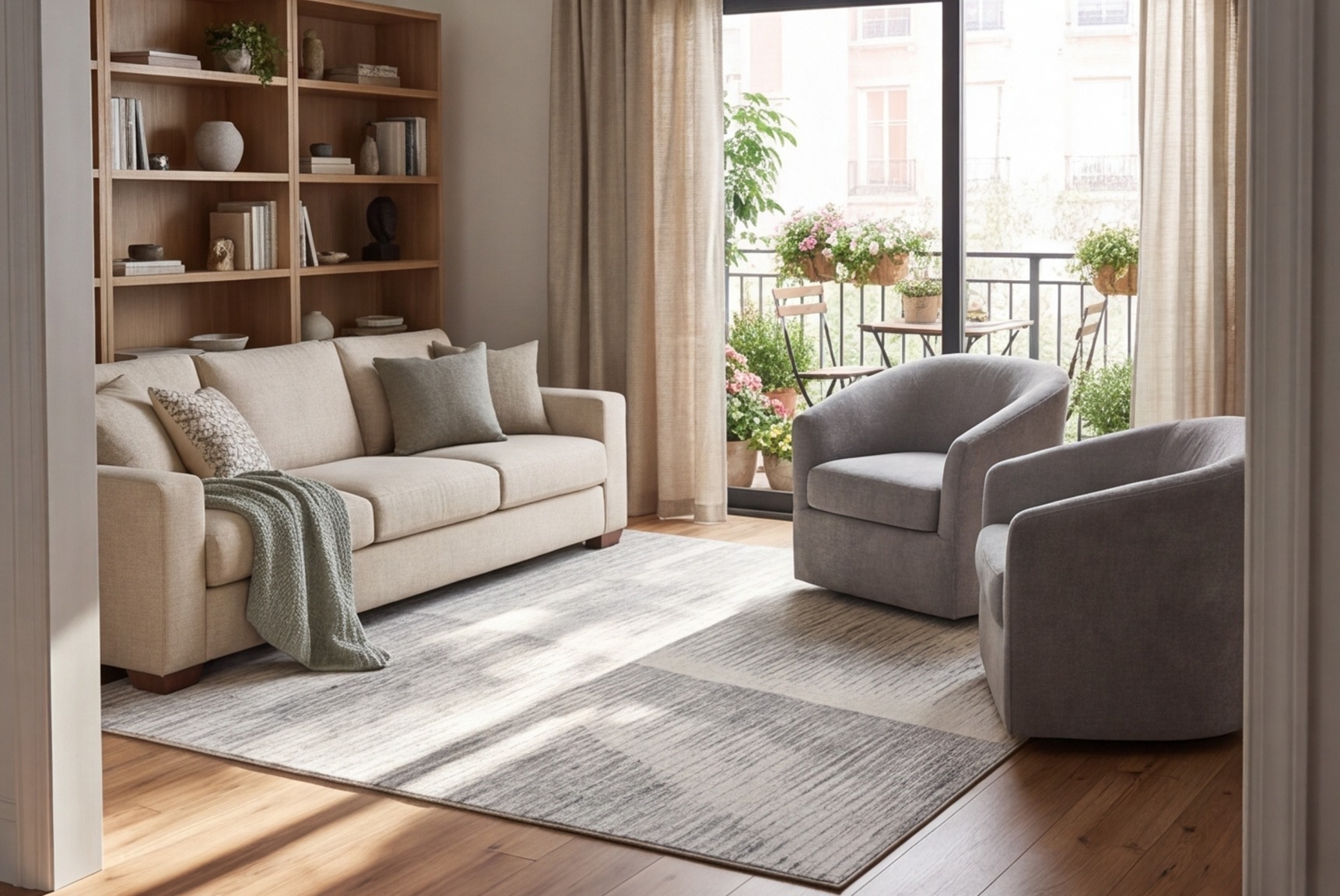
A rug is a good first accent because it sets the palette for the room.
If you rent
Floors, walls, and fixtures stay as they are, so textiles and arrangement do the work. Rently reports that 56% of renters add rugs, 55% use pillows and blankets, and 50% use curtains to refresh their decor without permanent changes. Another 45% plan to rearrange furniture. The textiles all move with you, and a new layout costs nothing.
Your next step
If you would like help pulling these steps together, our free style quiz takes about three minutes and needs no account. It gives you a named style profile with room-by-room priorities, and you can fold in a budget and timeline. Use the result as a starting point, then test it against what you already own.