
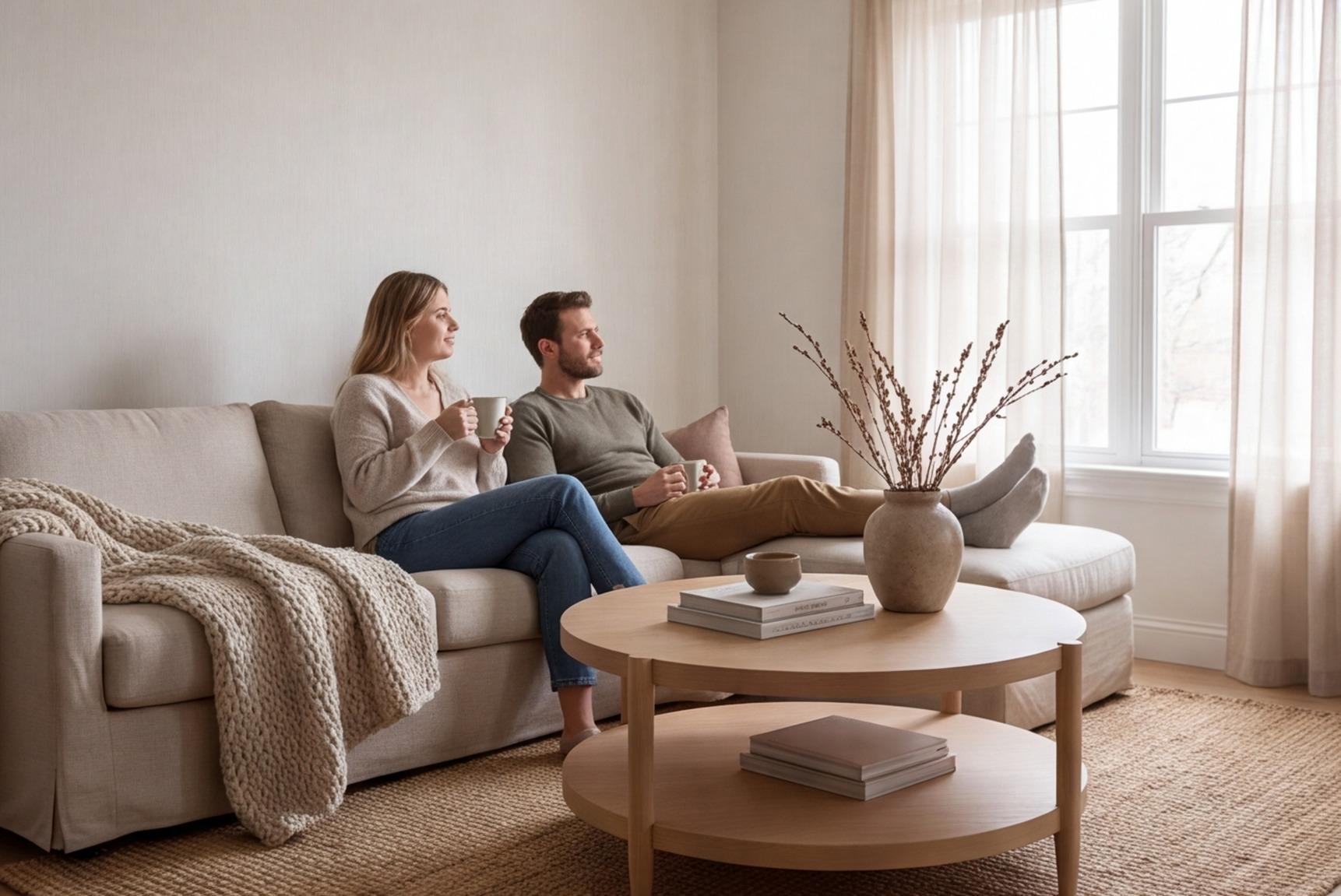
Scandinavian design is a Nordic approach to homes built on function, natural materials, light and restraint. This guide covers where it came from, how the five Nordic traditions differ, a room-by-room plan, adapting it to dark, sunny or rented spaces, and judging quality. It starts with lighting, the cheapest way to get it right.
What Scandinavian Design Is and Where It Came From
Scandinavian design is a style of making everyday objects and rooms that puts use first, favors natural materials such as light wood, wool and linen, and keeps decoration quiet. Its roots are in Nordic design of the 1930s to 1950s, shaped by the idea that good design should be affordable and available to ordinary households.
Why Lighting Comes Before Paint or Furniture
The most common way a Scandinavian-style room goes wrong is a single, cool, bright ceiling light. It flattens pale walls, turns wood gray and makes a calm room feel clinical.
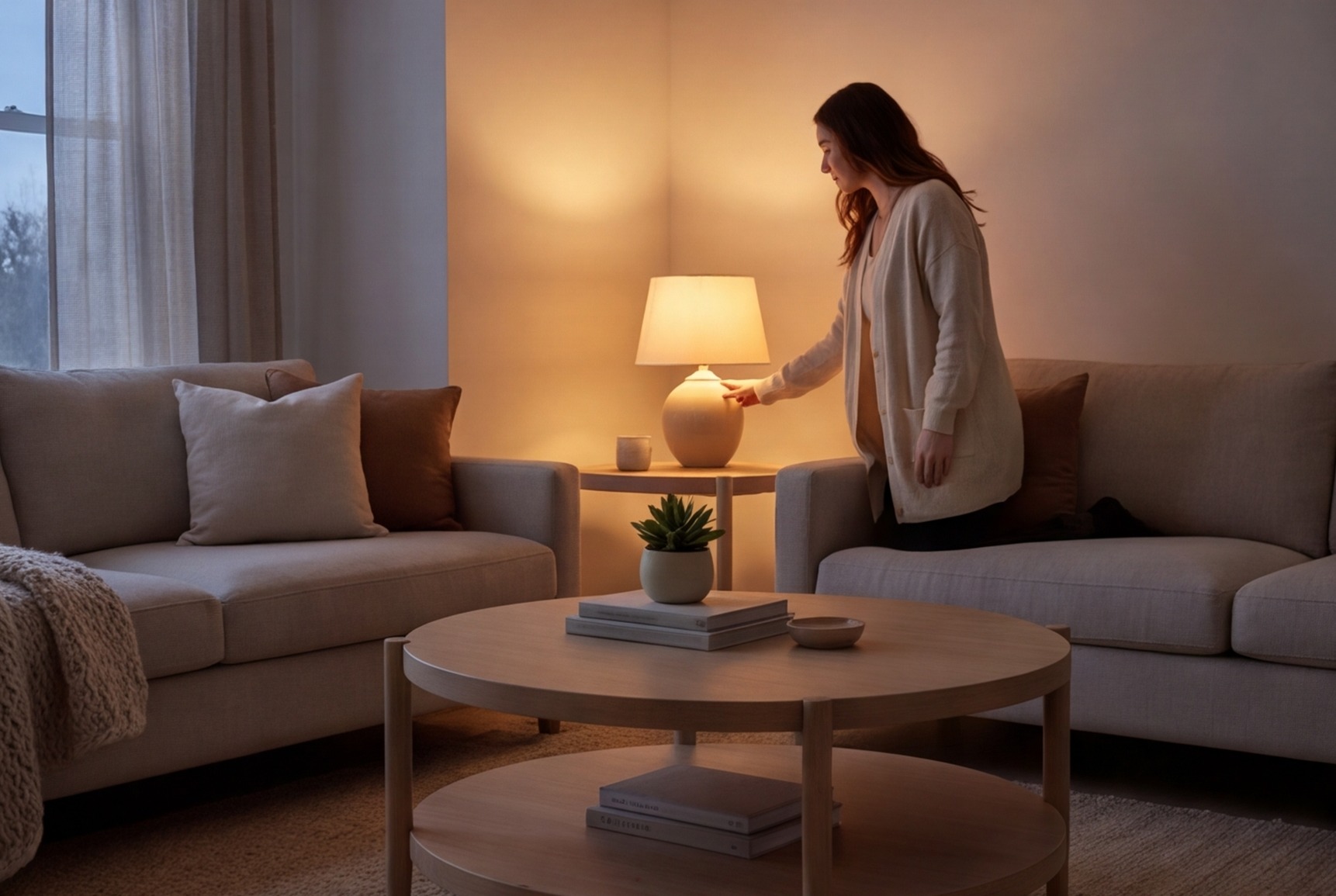
The fix is several warm sources at different heights: a floor lamp beside the sofa, a table lamp on a shelf, a pendant over the dining table, and a candle or small lamp near eye level. Each one is inexpensive next to a sofa, and together they change how every other purchase looks. In a house where you are buying everything at once, lamps are the place to spend early and well.
The Ideas Behind the Look
The style grew out of Nordic social ideals, and the 1954 to 1957 traveling exhibition Design in Scandinavia carried it across North America. Architect Tane Tsuyoshi describes it as part of a common life that is very simple, rather modest, and at the same time good and comfortable. That fits what the rooms feel like. They are simple, modest and comfortable at once.
The tradition is also alive. In a 7,434-respondent survey across seven countries, Swedish Wood found Scandinavian style was the second most preferred interior style overall, with 57 to 68% of respondents positive about having it at home.
How It Differs From Minimalism, Hygge and Japandi
|
Style |
What it is |
How it differs |
|---|---|---|
|
Scandinavian design |
Functional, light-filled rooms with natural materials and soft texture |
Warm and livable, with objects that are used daily |
|
Minimalism |
Owning and showing as little as possible |
Reduction is the goal, and comfort is secondary |
|
Hygge |
A Danish idea of coziness and togetherness |
A feeling and a set of habits, not a furniture style |
|
Japandi |
A blend of Japanese and Nordic restraint |
Darker woods, lower furniture, more handmade objects |
Danish, Swedish, Norwegian, Finnish and Icelandic Design Are Not the Same
Nordic design is the broader umbrella, and each country has its own accent. Danish design leans toward crafted wooden furniture, Swedish toward soft, balanced rooms, Finnish toward bentwood and glass, Norwegian toward the outdoors, and Icelandic toward restraint. Picking one gives a home a clearer voice.
Nordic design is one family with five distinct accents; choosing one gives a home a clearer voice.
A Quick Comparison
|
Tradition |
Signature qualities |
Suits you if |
|---|---|---|
|
Danish |
Craft furniture, sculpted wood, mid-century modern lines |
You want a few well-made statement chairs |
|
Swedish |
Lagom (a sense of just enough), soft textiles, pale and balanced rooms |
You want calm and comfort over drama |
|
Finnish |
Bentwood, glass, bold simple forms |
You like clean lines with a little personality |
|
Norwegian |
Outdoor influence, wool, timber, practical durability |
Your home has a cabin or nature feel |
|
Icelandic |
Restraint, raw materials, muted tones |
You prefer quiet, uncluttered rooms |
Choosing the Version That Fits You
These are tendencies, not rules, and plenty of homes borrow from two traditions. A Danish dining chair works well in a Swedish-soft living room. The risk is mixing all five at once, which brings back the disconnected look that makes a new house feel unfinished.
If you are unsure which direction feels like you, our free style discovery takes about three minutes and needs no account.
How to Make Your Home Look Scandinavian, Room by Room
Furnish in order of how much you use each space, and put lighting in every room early. Start with the room where you spend evenings, then the bedroom, then the dining area. Add a few solid anchor pieces before any accessories, and let color and texture build outward from them.
The Order to Work In
- Lighting in the living room and bedroom: three warm sources at different heights per room.
- Bedroom: a good bed and mattress, linen bedding, a rug underfoot, and two bedside lamps.
- Living room: one sofa in a neutral tone, a wood coffee or side table, and a wool or cotton rug.
- Dining area: a solid wood table and comfortable chairs, with a pendant hung low over it.
- Kitchen, bathroom and entry: small, practical upgrades, since these rooms depend on fixed finishes.
Color, Wood and Texture
The palette is a neutral color palette of soft white, warm gray, sand and muted green or blue. Stick to one or two wood tones, usually light wood such as birch, ash or pale oak, and repeat them across rooms so pieces look related.
Texture is what makes it cozy. Layer wool throws, linen curtains, a sheepskin or a woven basket over the plain base. If a room feels flat, add texture before adding color.
What to Spend On, and What to Save
Spend on what you touch and sit on daily: the sofa frame, the bed, the dining chairs, and the lamps. Save on side tables, frames and vases, which are easy to upgrade later. A Scandinavian living room needs fewer pieces than most people expect, usually a sofa, one or two chairs, a table and a rug.
For a small corner that needs a purpose, our Scandinavian bar room design shows how a pedestal table, stools and a pendant light work together.
Adapting the Style to Dark, Sunny or Rented Spaces
Most Scandinavian advice assumes soft Nordic light. In a dark room, use warm bulbs, mirrors and pale reflective surfaces. In a sunny one, diffuse the light with linen curtains and keep rugs and woods light. In a rental, rely on lamps, rugs and furniture, since nothing needs permission.
North-Facing and Low-Light Rooms
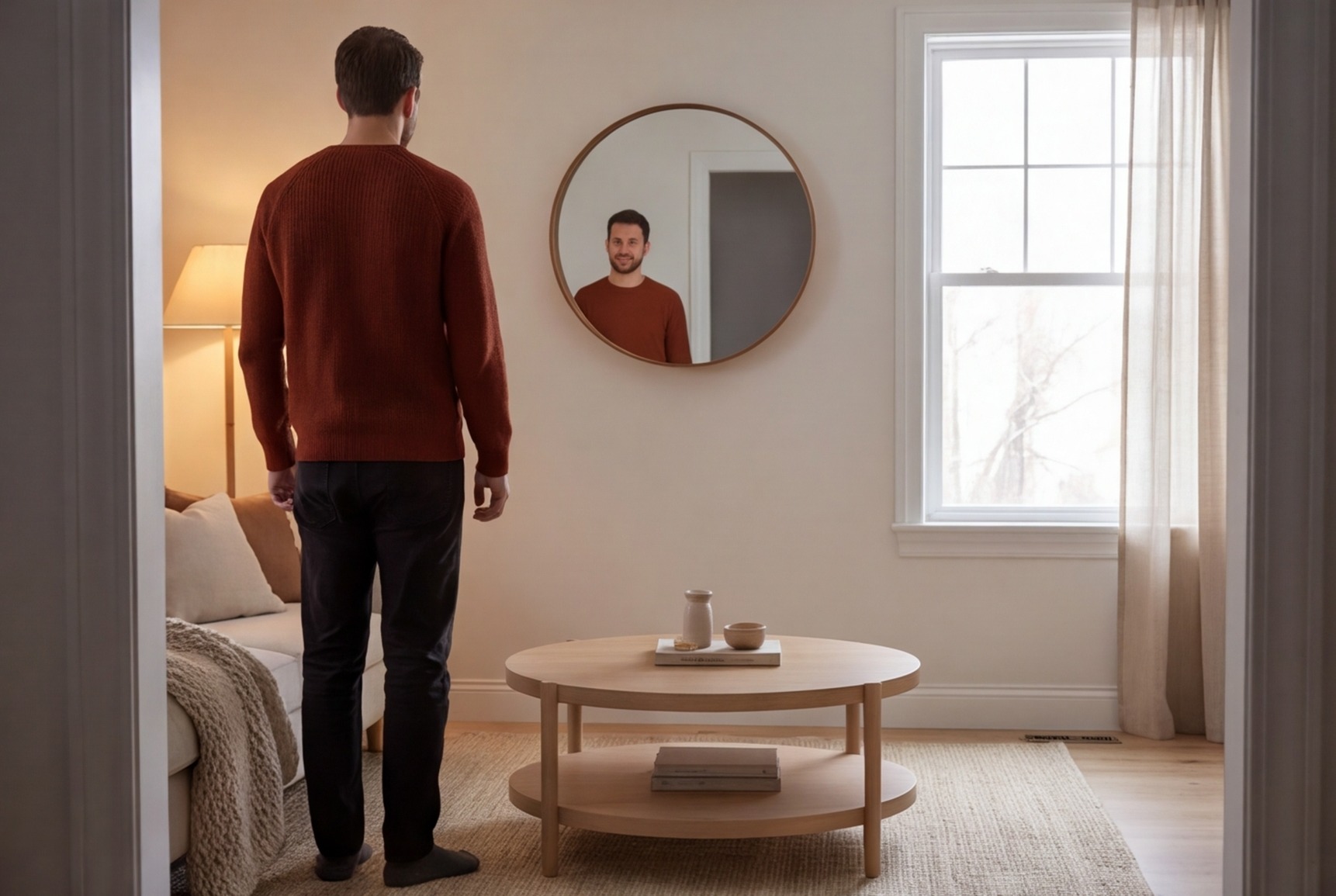
A north-facing room gives cool, even light, so pure white walls will look gray. Choose warm whites or soft cream, and avoid cold bulbs. Place lamps near the walls to push light outward, and hang a mirror opposite the window.
Warm and Bright Climates
Strong sun makes white feel harsh and wood look orange. Pick lighter linen curtains to diffuse it, keep floors cool with a flat-weave cotton rug rather than heavy wool, and favor lighter woods. Plants and rattan add Nordic calm without trapping heat.
Rented Spaces
Renters tend to make changes that can be undone. According to Rently, 45% of renters plan to refresh their space by rearranging furniture and 37% will add plants, with 38% keeping décor spending between $101 and $500. In a UK study of 1,000 private renters, 72Point Talking Points reported that 23% use smart lighting and 14% use wireless stick-on wall sconces. That lines up with the lighting-first advice above.
Fixing a Cold or Catalog-Flat Room
- Sterile all-white room: replace some white with sand, oatmeal and warm gray, and add wood.
- Cold feeling: swap to warm bulbs and add lamps at several heights.
- Catalog sameness: add one secondhand piece, one handmade object and one personal art print.
Is Scandinavian Furniture Good Quality? Judging Pieces and Budgets
Quality varies by maker, not by the label. Designer originals, mid-range makers and mass-market imitations can all look similar in a photo. Judge a piece by its joinery, whether the wood is solid or veneer, and how it is finished, then decide where your budget gives the most return.
Three Tiers
- Designer originals: licensed or vintage pieces by named designers, made to last decades and priced accordingly.
- Mid-range makers: solid wood, good joints and replaceable parts at a lower price.
- Mass-market imitations: the look at a low cost, often with veneer or particleboard cores and shorter lifespans.
How to Check a Piece
Look at the joints. Dovetails, dowels and mortise-and-tenon joints (where a peg-shaped end fits a cut slot) hold better than staples or glue alone. Check the underside and back panels, since that is where cheaper construction shows.
Judge a piece by how it is built, not by the label: joints, solid wood and finish tell the real story.
Solid wood is cut from a single timber and can be sanded and refinished. Veneer is a thin layer over a core, and it is fine on large flat panels if the core is stable, but it cannot be repaired deeply. Oiled or lacquered finishes should feel even, with no sticky patches.
Sustainability Claims and Secondhand Classics
A sustainable-design label is worth checking. Ask where the wood is sourced, whether the piece can be repaired, and how long it is likely to last. A well-made chair kept for decades often beats a new one marketed as eco-friendly.
Secondhand is a strong route for classics. In Norway, FINN's 2025 used-goods survey, published by Vend, found that 81% of Norwegians bought used goods in the past year and 66% do so primarily to save money. Used dining chairs, sideboards and lamps are often the best value in the style.
Where a Limited Budget Goes Furthest
Put money first into lighting, then a sofa or bed, then a solid dining table. Fill the rest with secondhand finds and simple basics, and buy the rest as you live in the house. A calm, partly furnished room in a consistent style looks better than a full one in mixed tones.