
Style
Modern Sophistication
Clean lines, a restrained palette, and a small number of pieces asked to carry the room.
See the living room, $5,880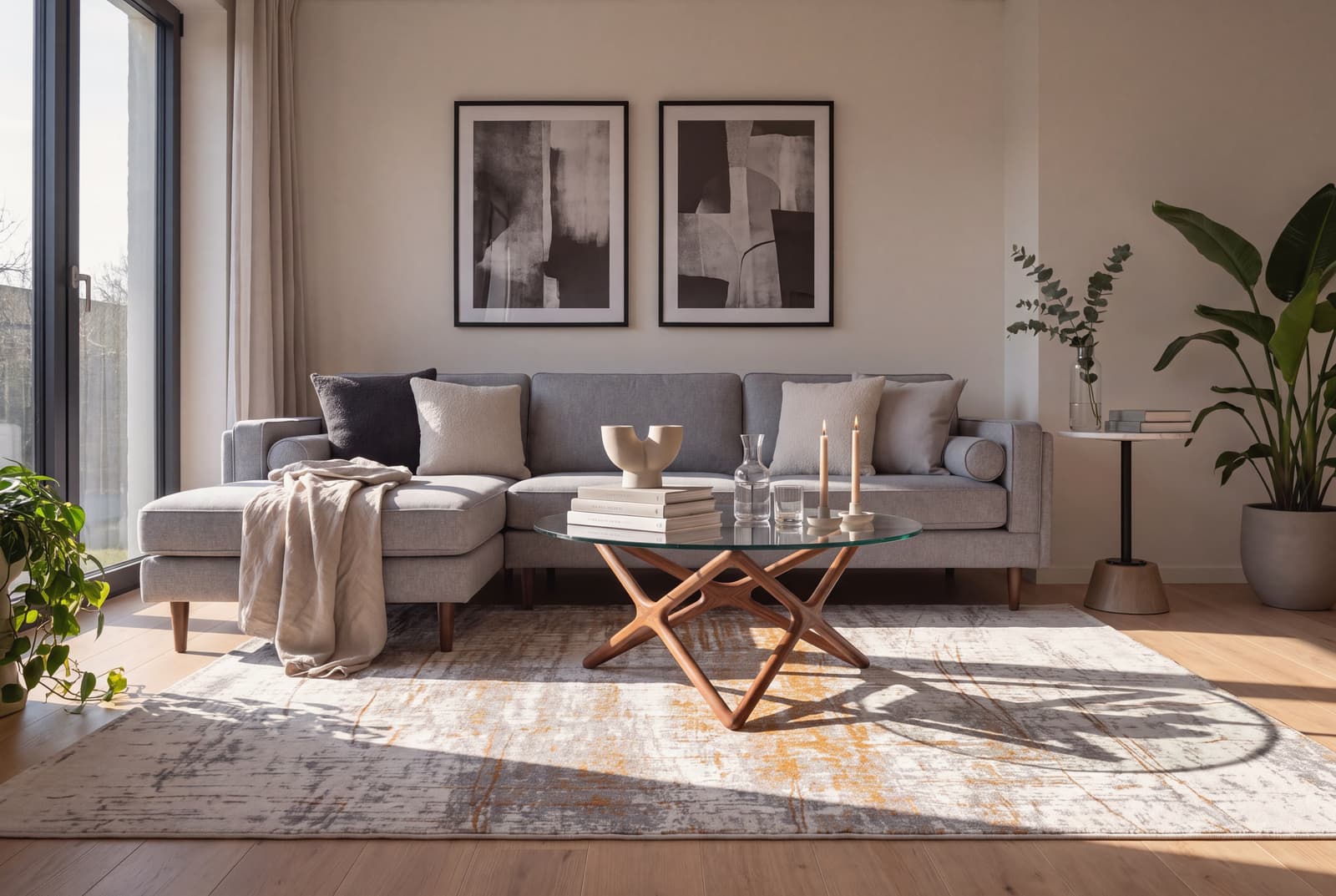
About the style
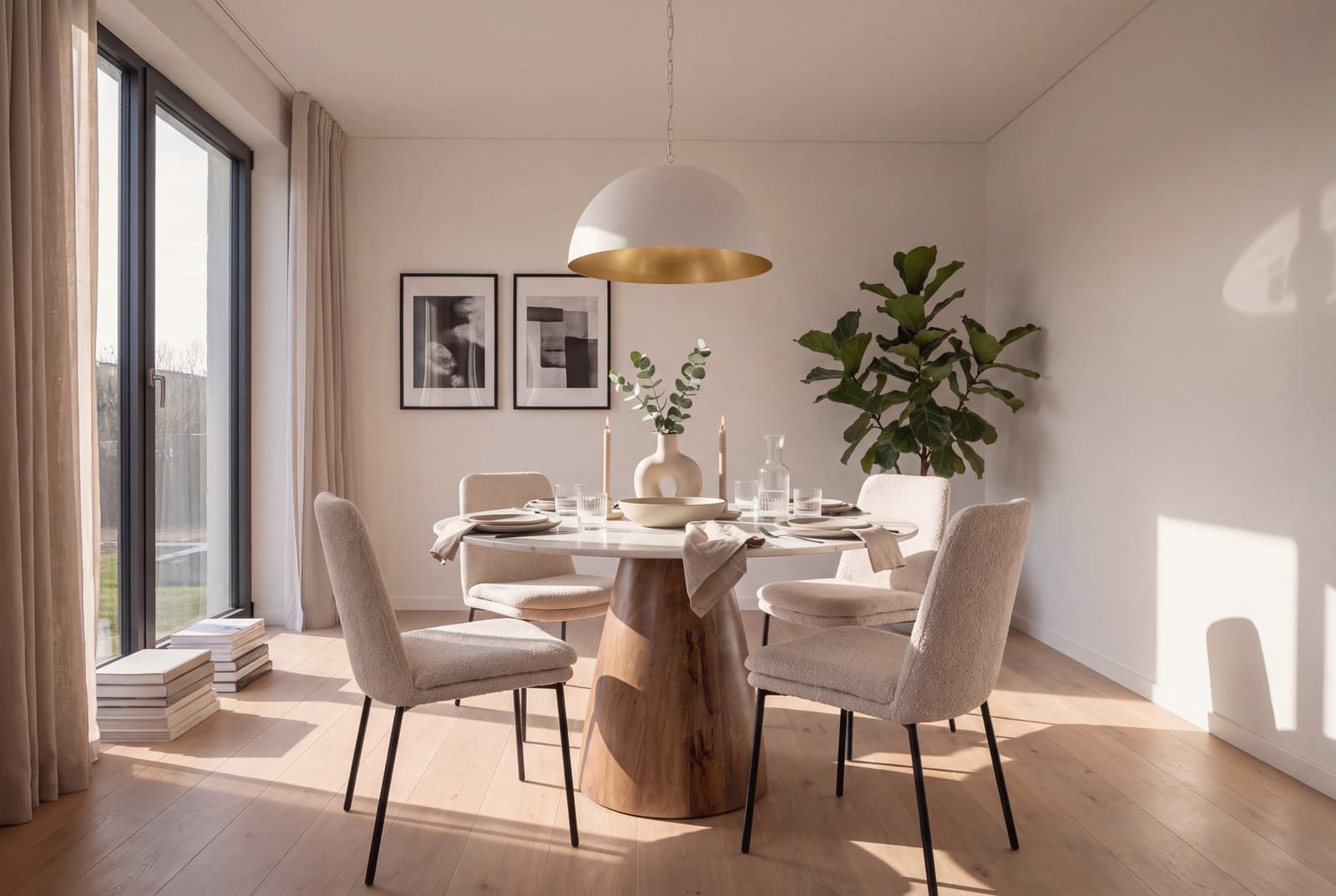
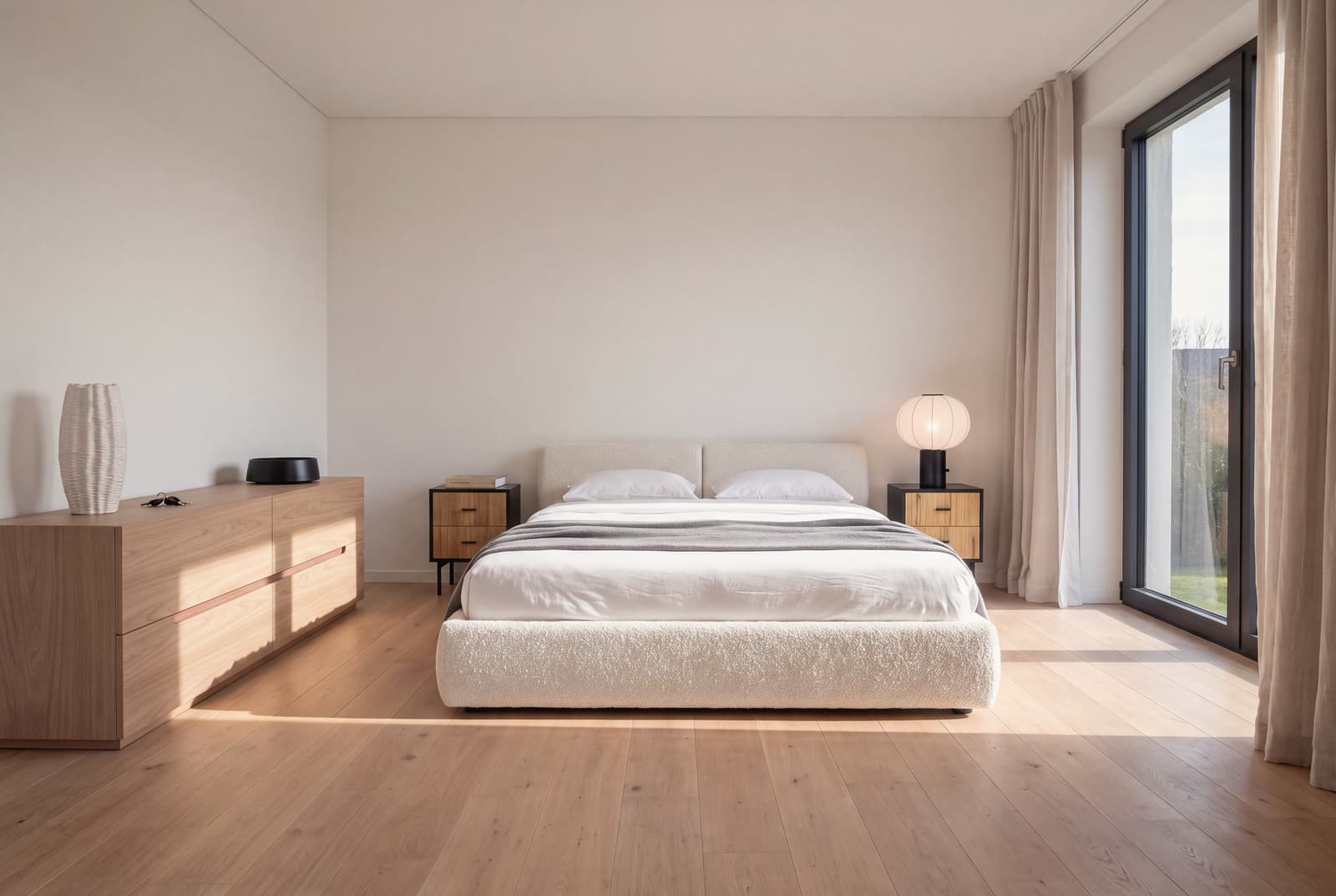
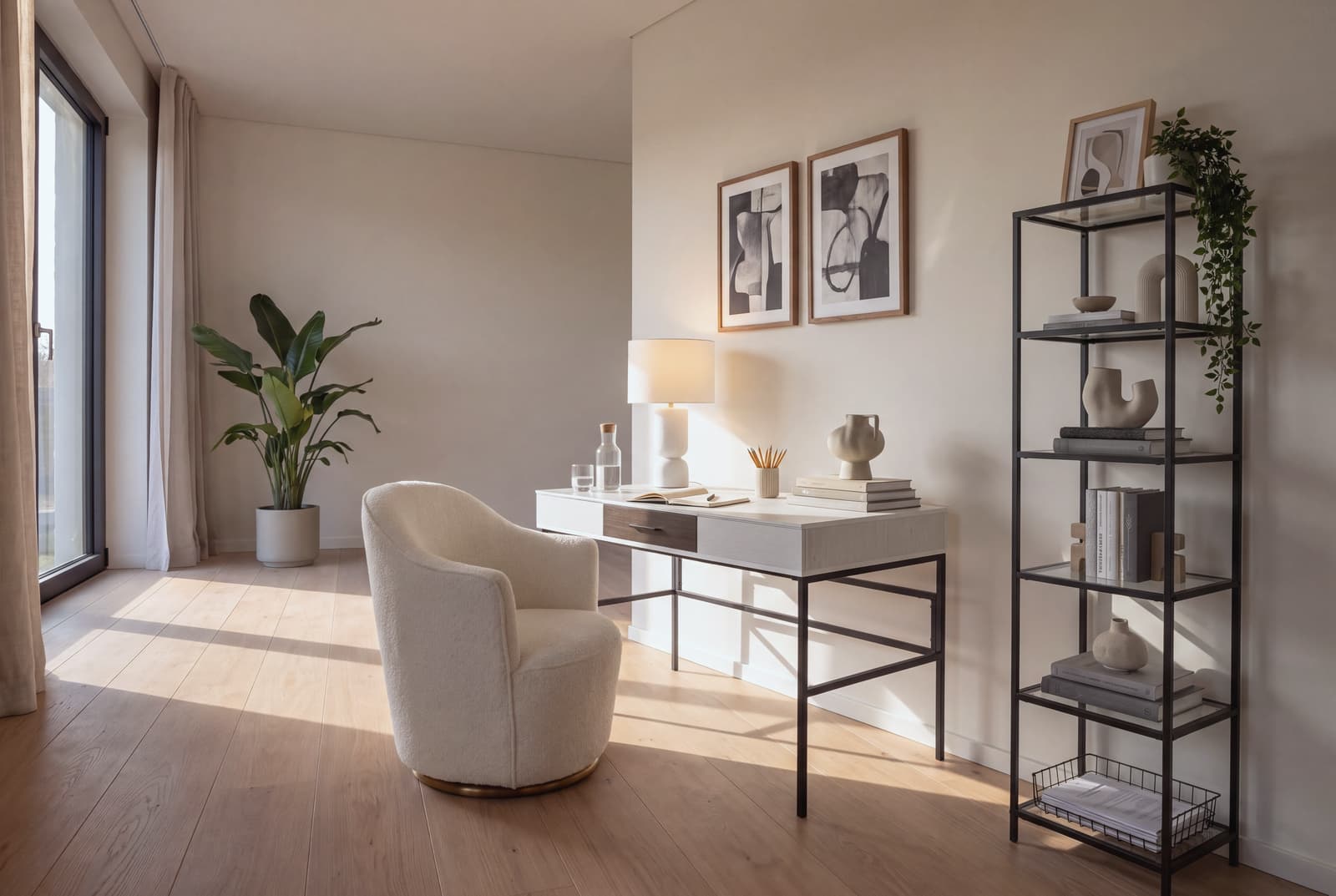
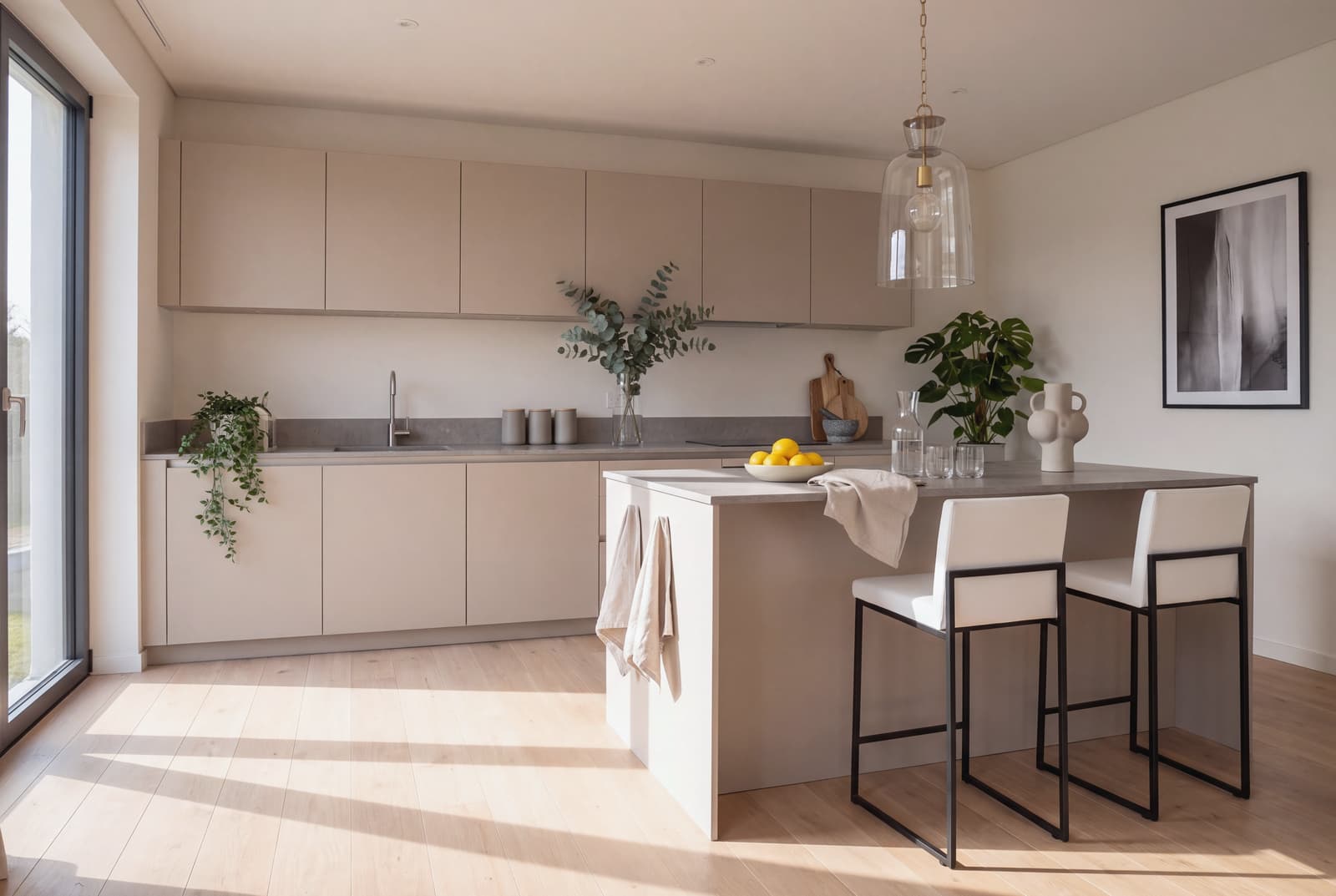
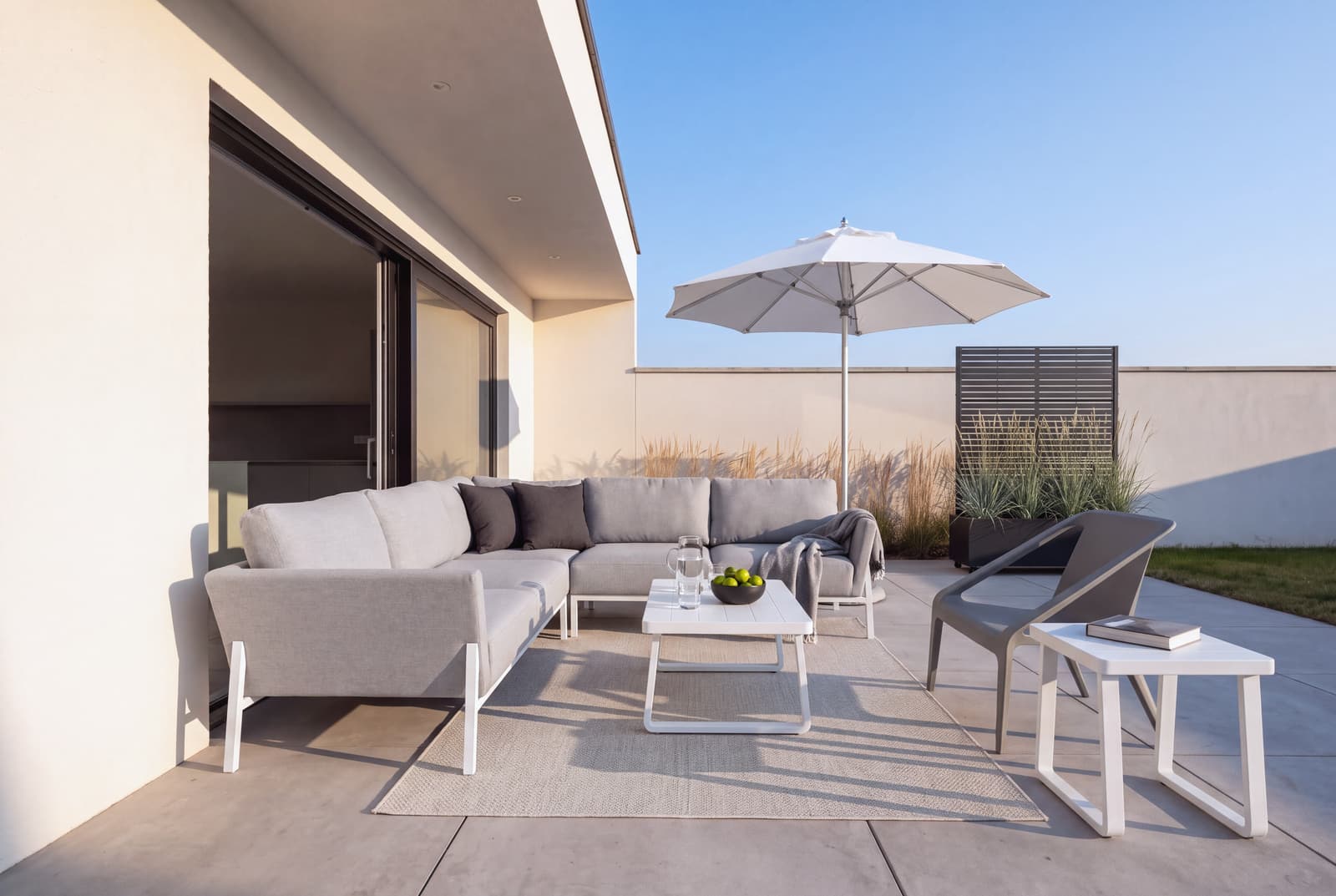
Modern is the most misunderstood of the six, because it is usually described by what it removes. In practice it is defined by what it demands: with little ornament and few objects, every remaining line is visible, so proportion and finish quality do all the work that pattern and accumulation do elsewhere.
That has a budget consequence worth knowing before you start. Modern rooms are unforgiving of cheap furniture in a way busier styles are not, because there is nothing else for the eye to look at. It is better to own three good pieces and an empty corner than eight adequate ones.
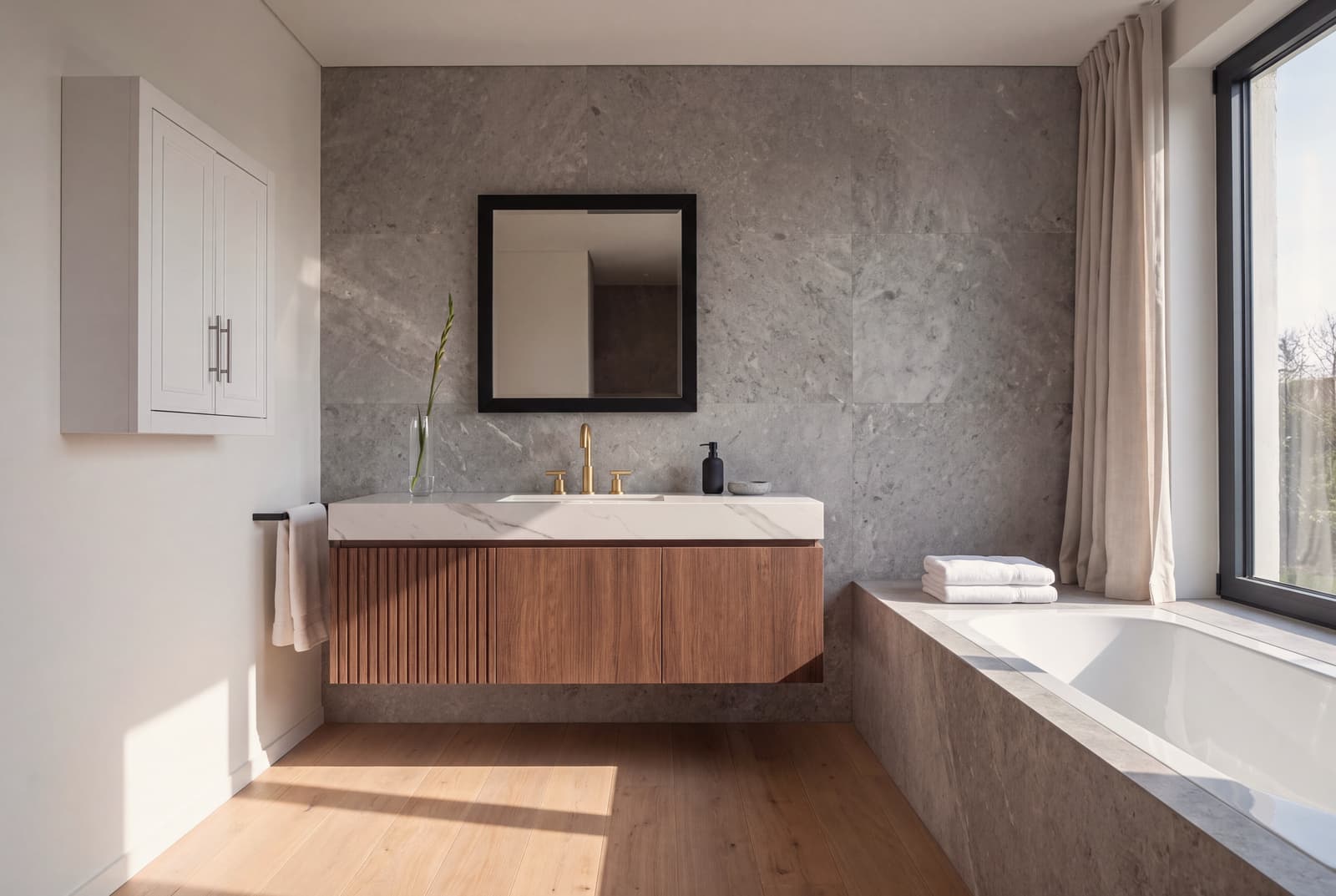
The failure mode is coldness. A modern room with no texture in it reads as a waiting area. The fix is not more objects but more material variation: wool, boucle, stone, and wood introduced deliberately against the smooth surfaces.
Palette
- Soft neutrals
- Black
- White
- Subtle pops of color
Materials
- Glass
- Metal
- Polished surfaces
- Strategic wood accents
Key elements
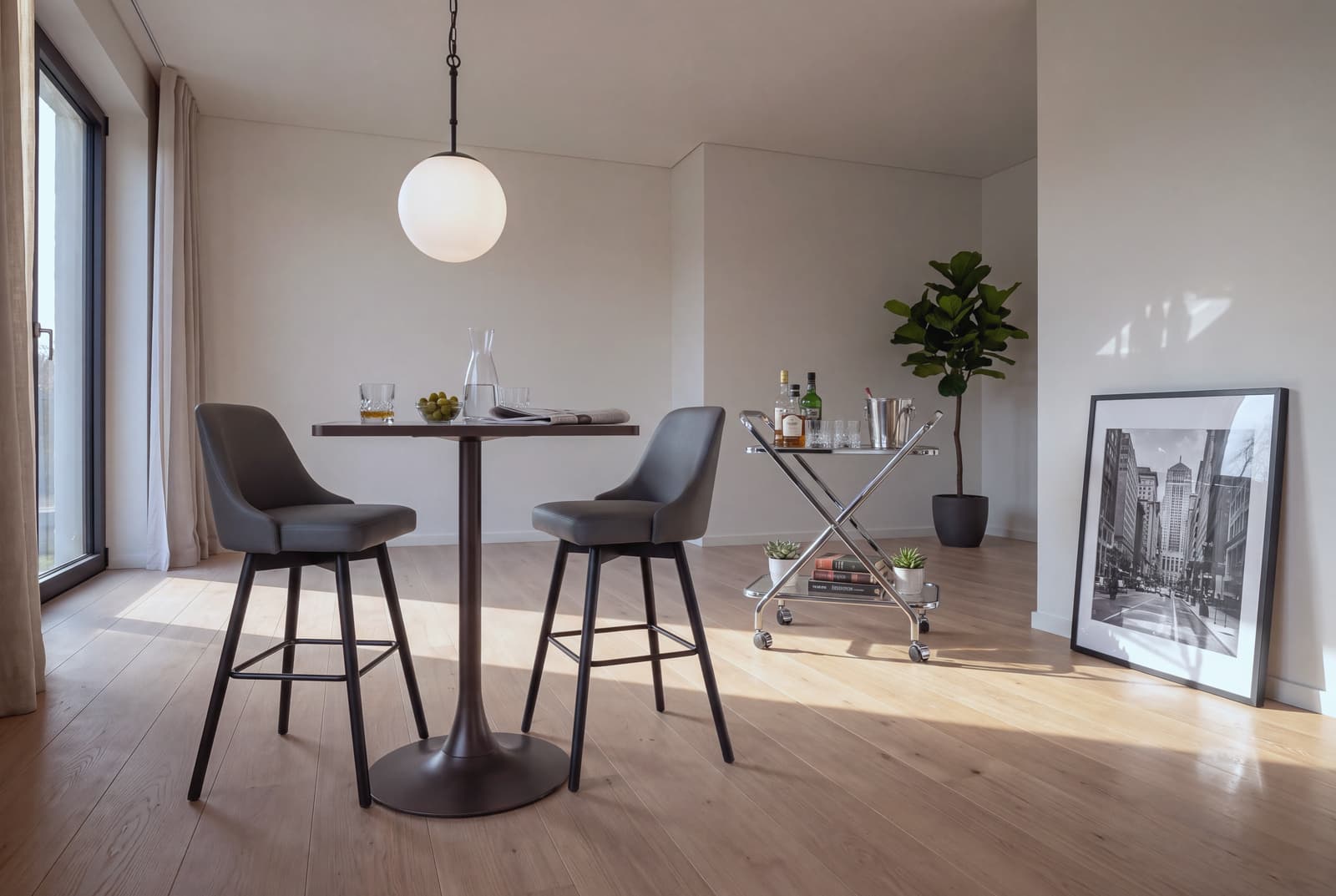
- Architectural lighting
- Bold geometric patterns
- Minimalist art
- Open concept spaces
Where to start
- Choose the largest piece first and spend the most on it, since it sets the proportion of everything else.
- Add one warm material against the hard surfaces before adding any decorative object.
- Use architectural or directional lighting rather than a single central fitting.
Want the full guide?
What defines modern, where it goes wrong, and how it lands in every room of a house.
Read the full Modern guide