
Style
Industrial Edge
Exposed structure, honest materials and a preference for things that show how they are made.
See the living room, $6,958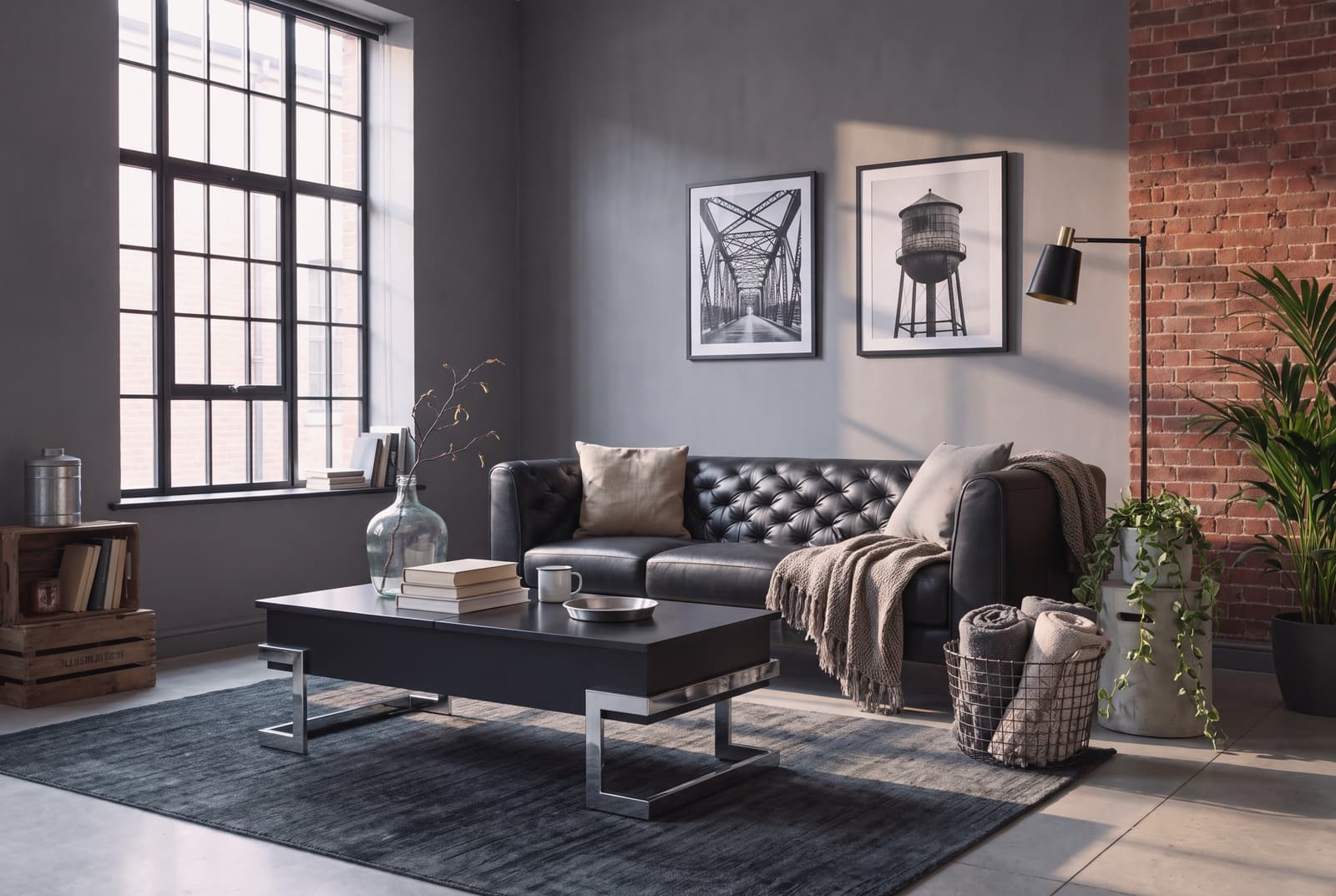
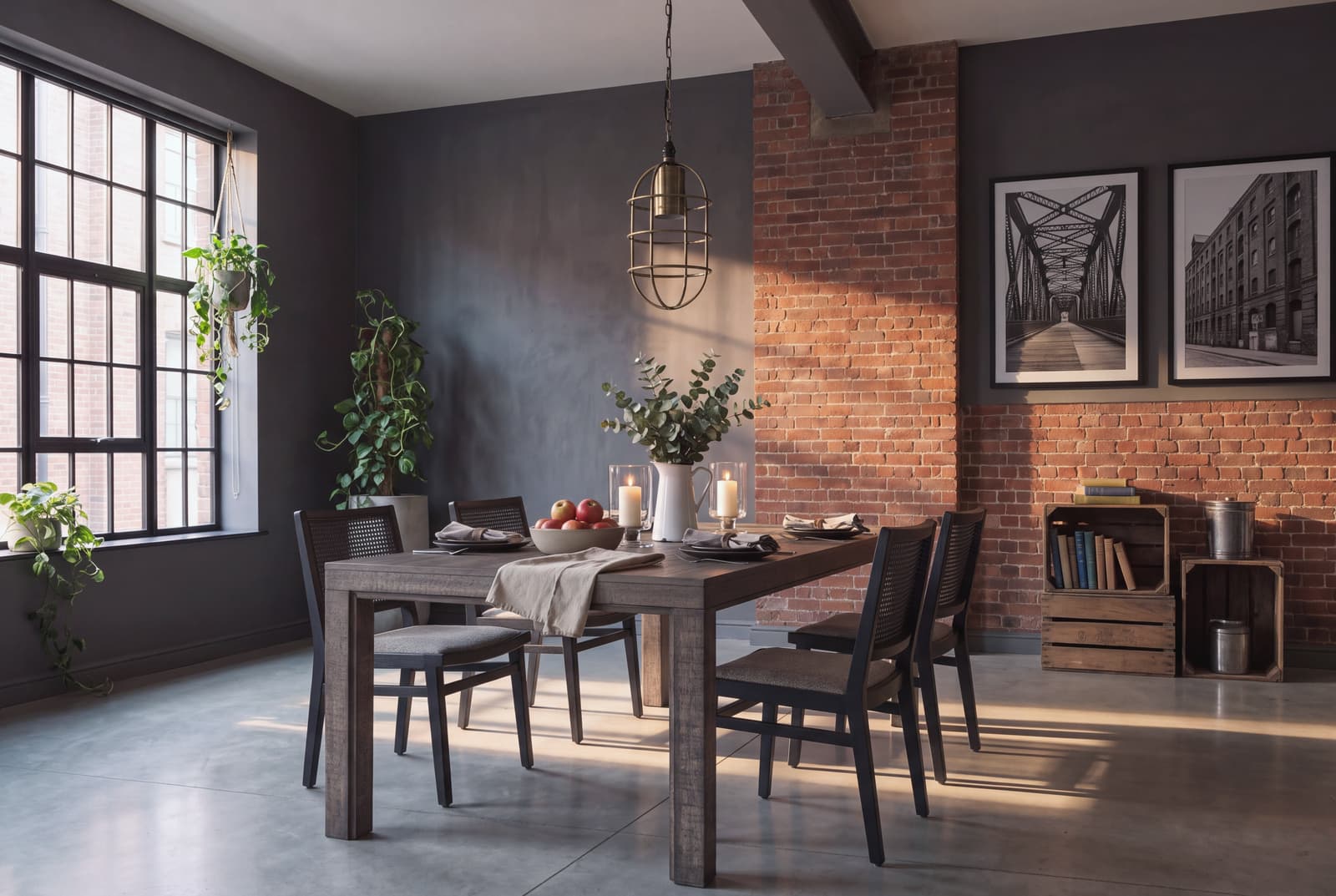
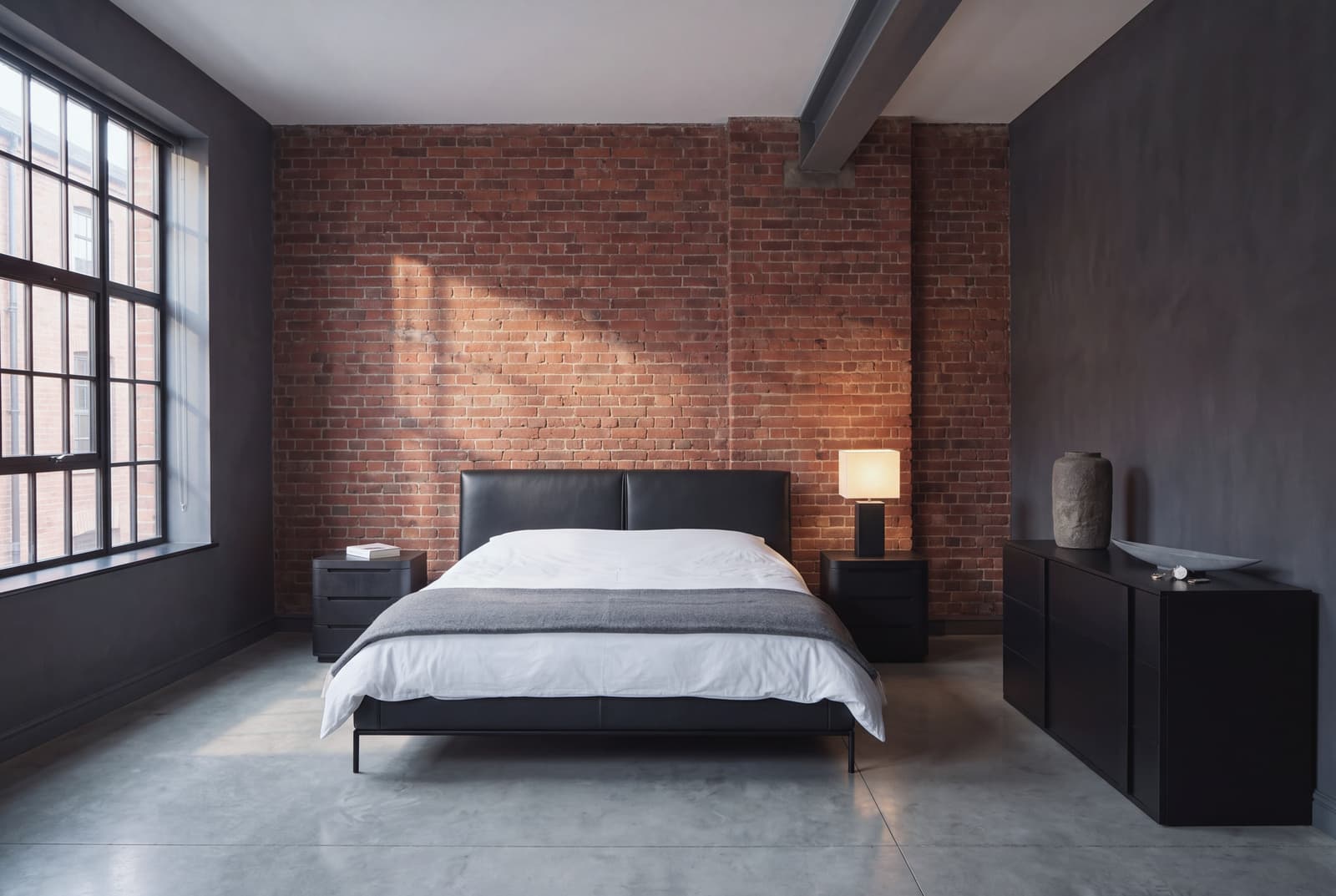
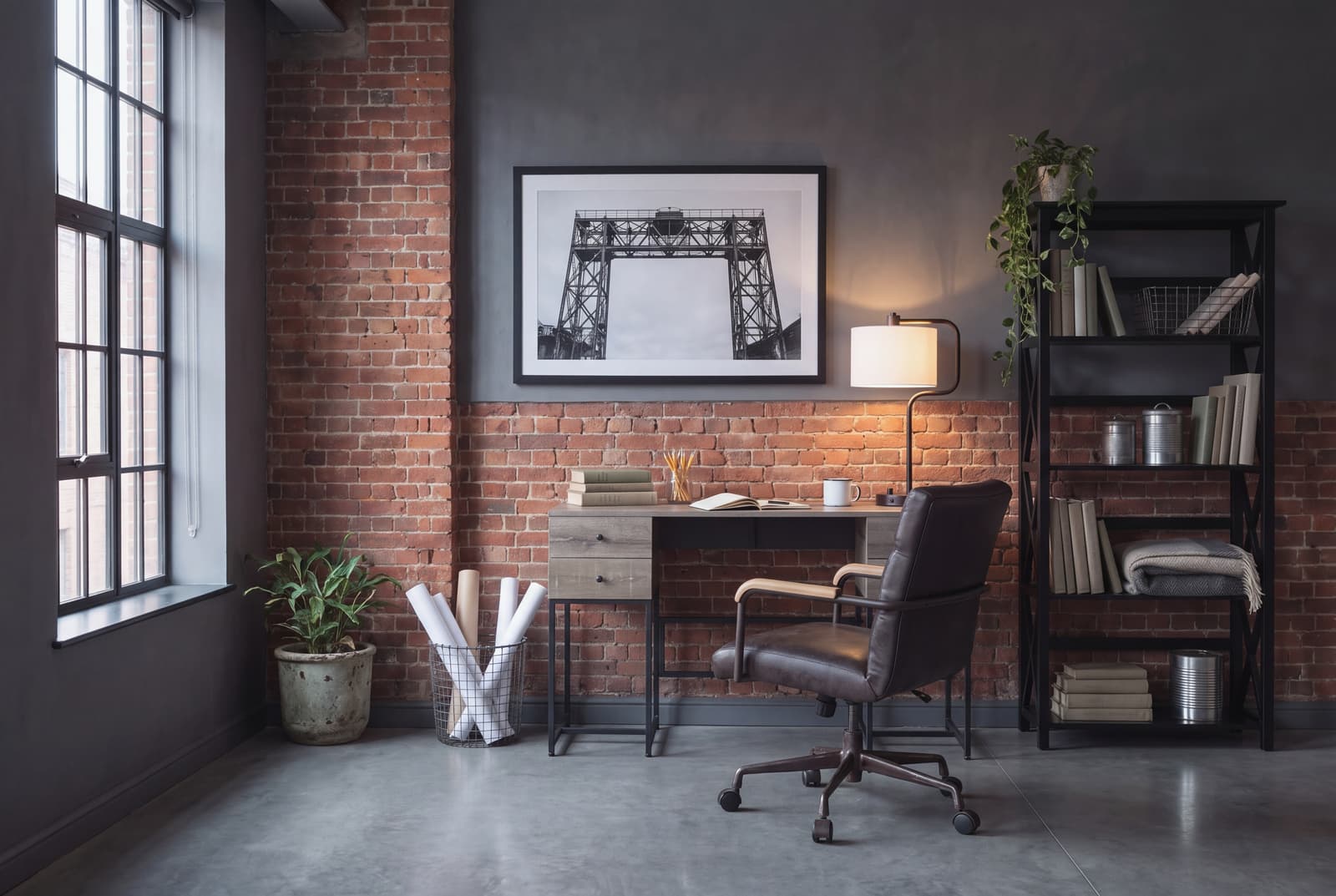
About the style
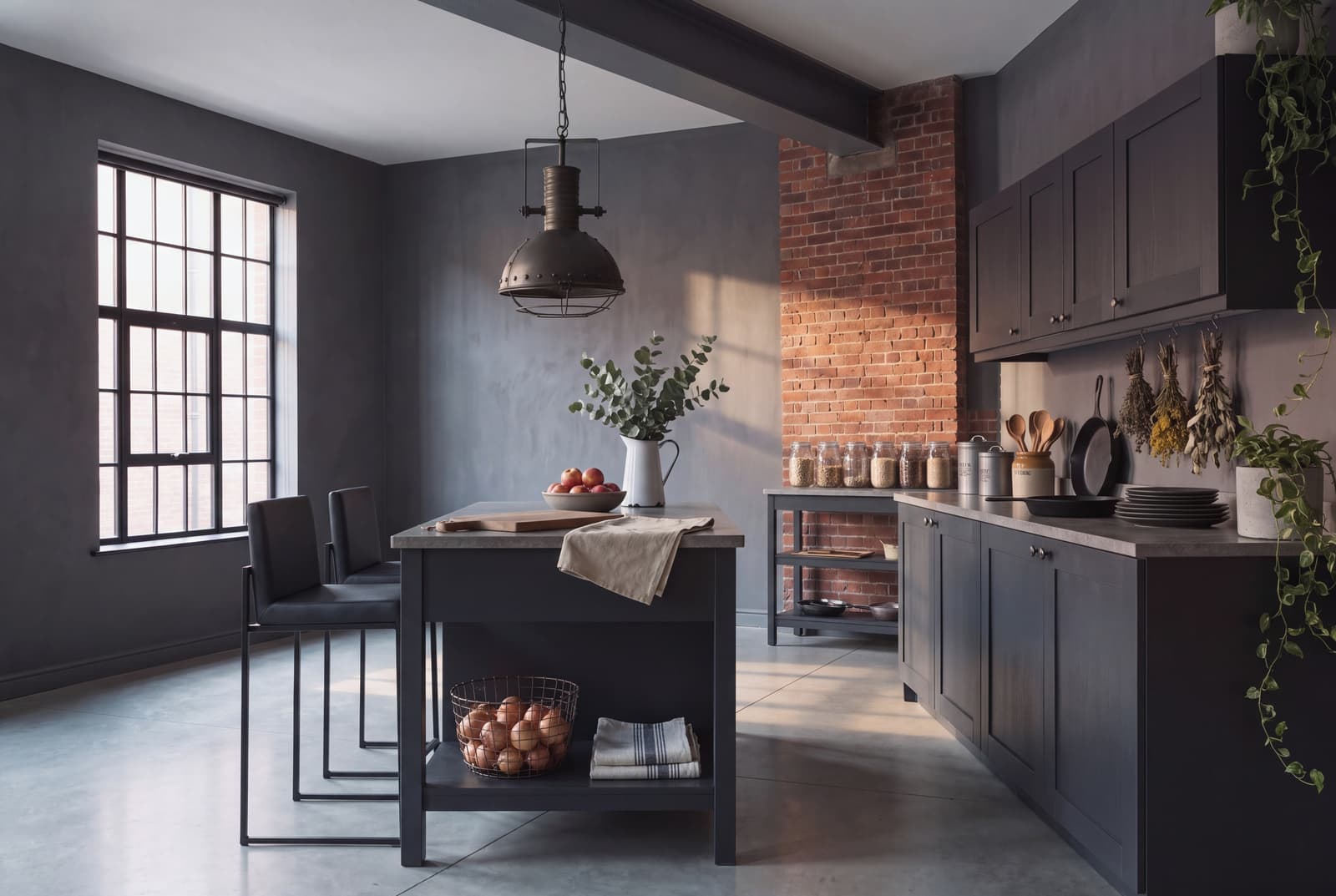
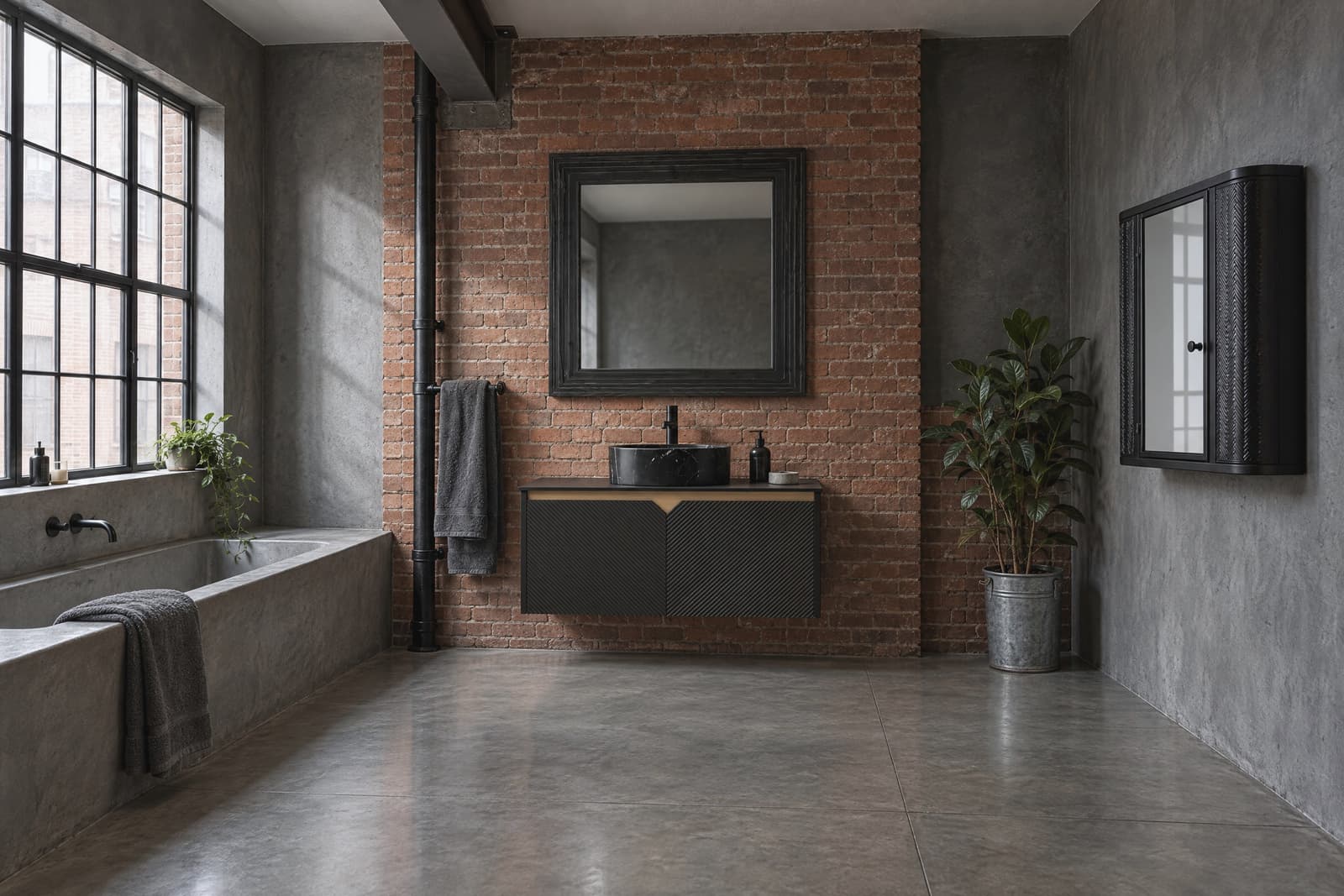
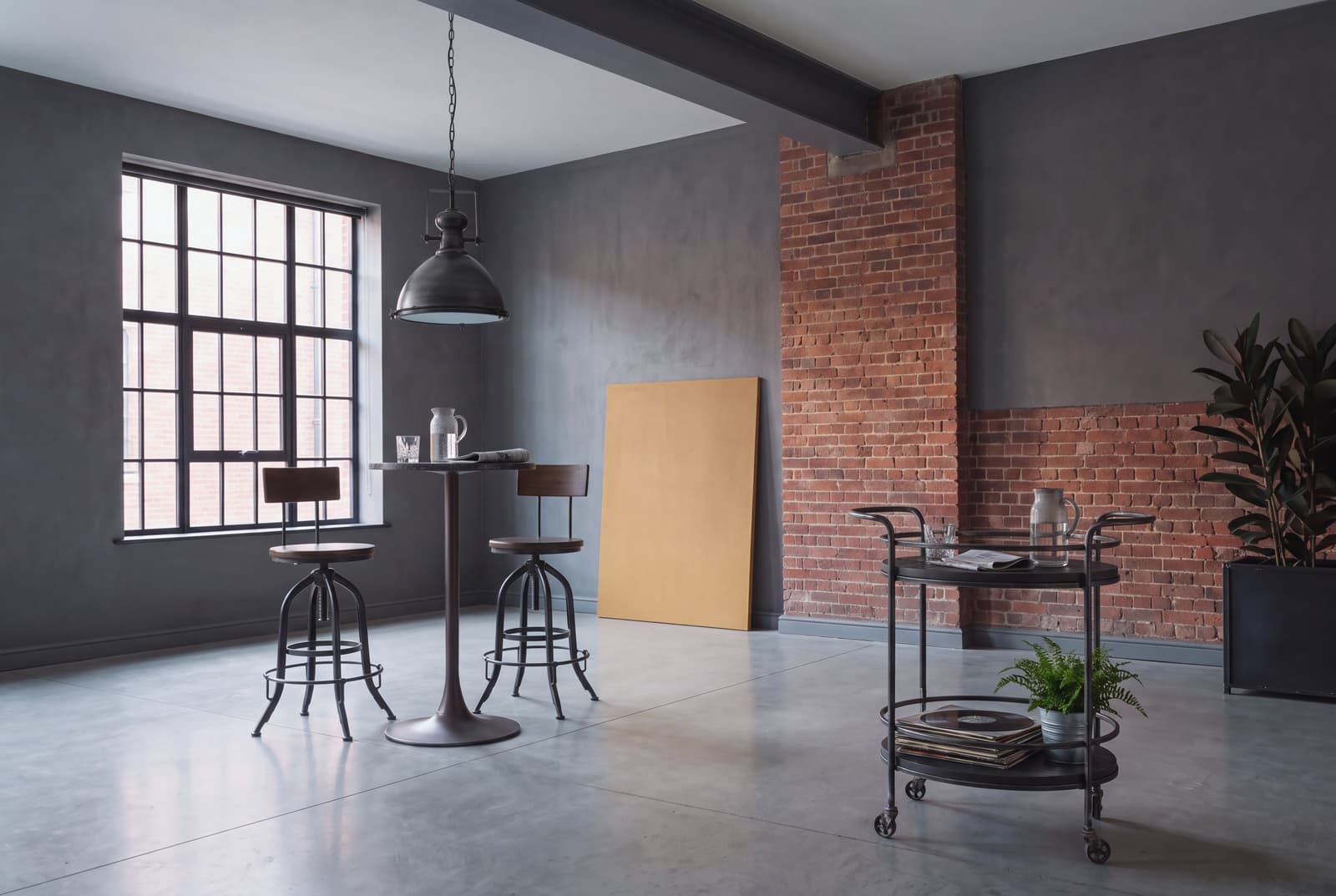
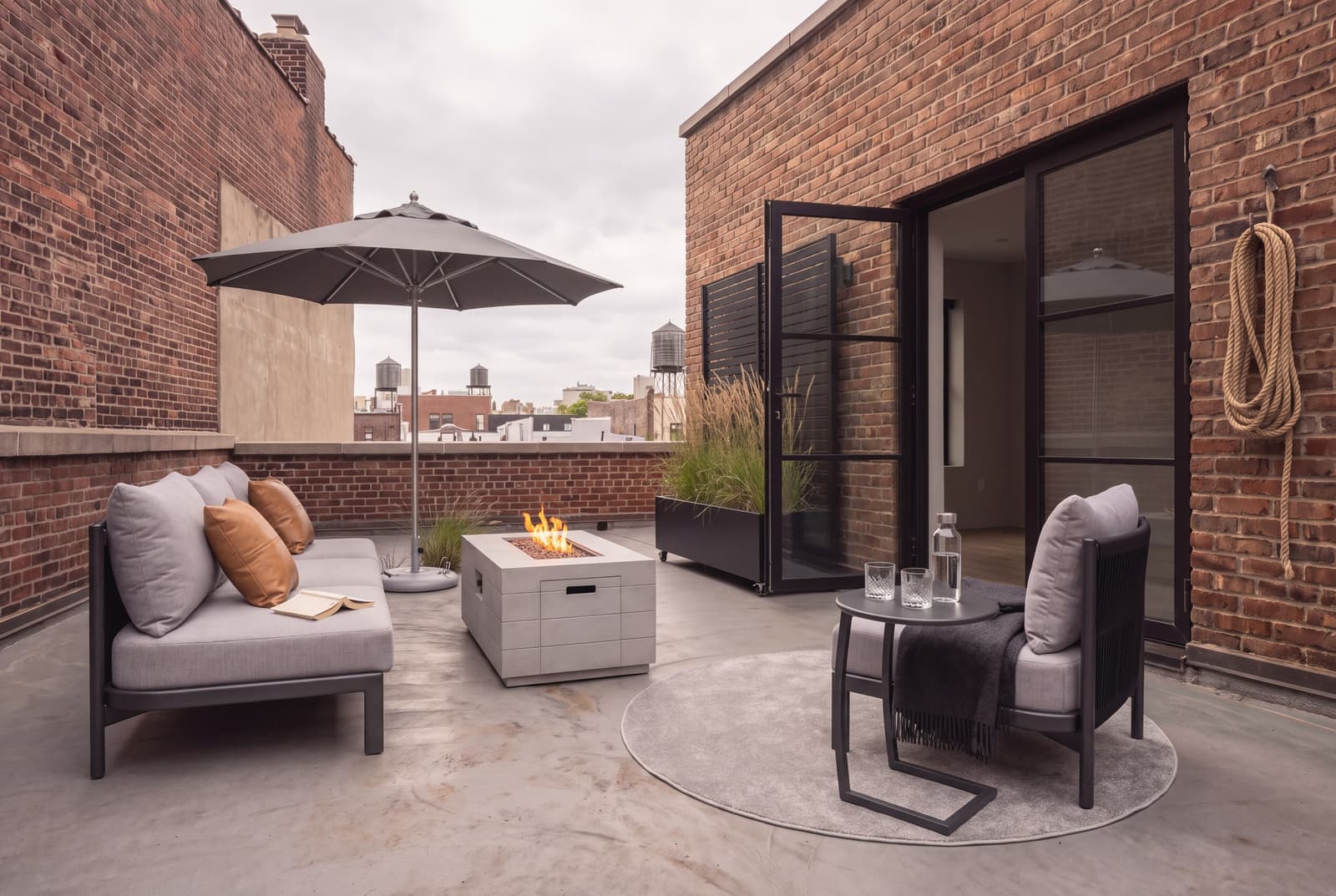
Industrial takes its logic from buildings that were never meant to be homes: visible structure, unfinished surfaces, metal and brick left as they are. The principle underneath is honesty about construction, and it is the reason a fake exposed brick panel undermines an industrial room more completely than an out-of-period chair would.
Most houses have no structure worth exposing, which is the practical problem. The workable version applies the material palette rather than the architecture: steel, aged leather, reclaimed timber and concrete-toned surfaces, used in a normal room.
The failure mode is hardness. Industrial rooms need soft counterweight, and the ones that work carry more rug, leather and textile than the reference photography suggests.
Palette
- Grays
- Blacks
- Rusted metals
- Warm wood tones
Materials
- Exposed brick
- Metal
- Concrete
- Distressed wood
Key elements
- Open space
- Exposed structural elements
- Factory-inspired lighting
- Vintage-industrial furniture
Where to start
- Introduce one genuinely raw material rather than a printed imitation of one.
- Add aged leather and a large rug early, because the palette is otherwise all hard surfaces.
- Use visible, simple light fittings rather than concealed ones.
Want the full guide?
What defines industrial, where it goes wrong, and how it lands in every room of a house.
Read the full Industrial guide